
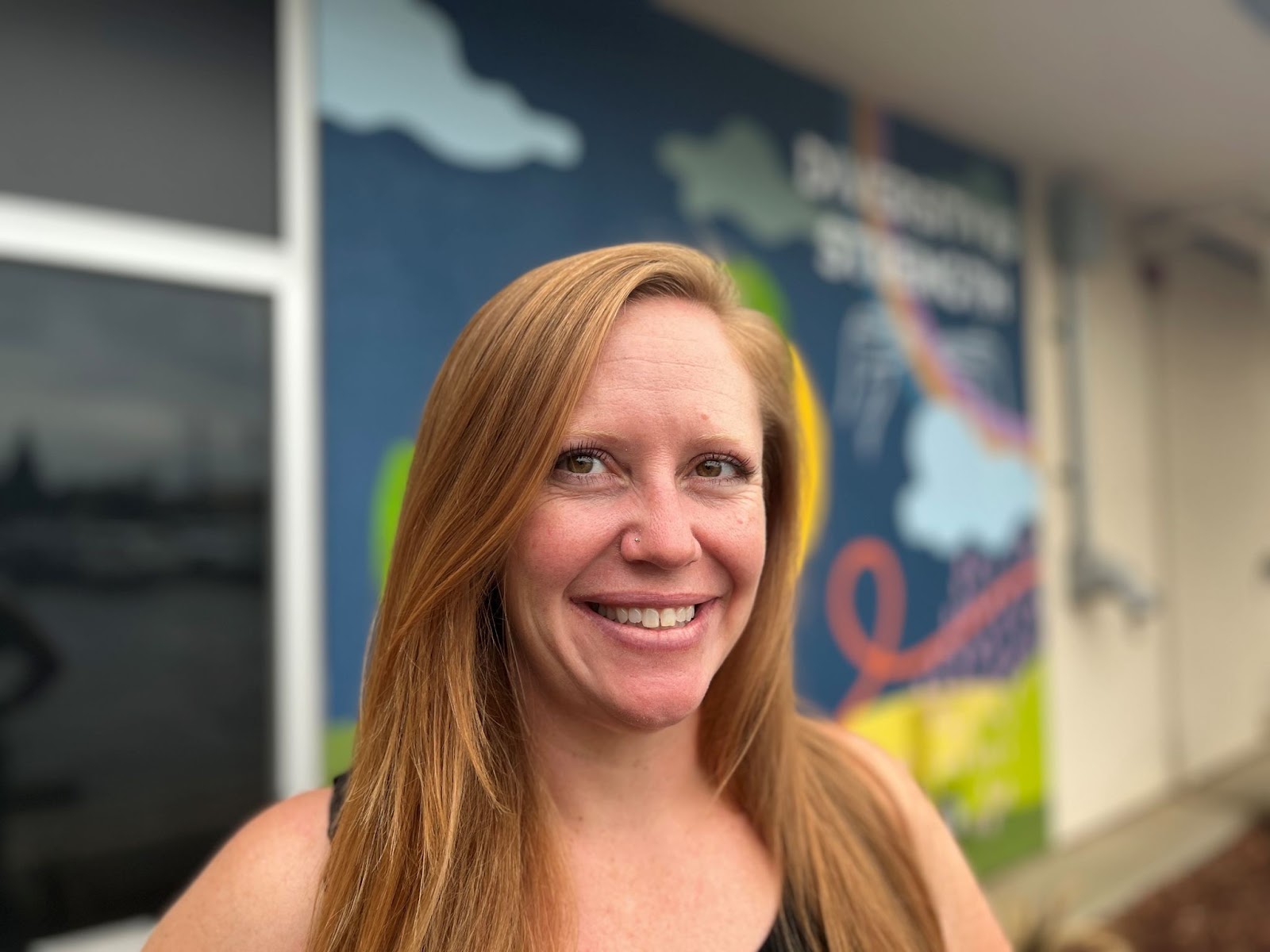
By Liz Olsen
On the corner of the playground in a little neighborhood school in a remote region of the Philippines, I stood, waiting for my host sister. Soon, I was surrounded by a swarm of schoolchildren.
Some were barefoot. Some were smiling. Some looked unsure. At first they just stood there, staring at me. Then, they began petting my arms and speaking so rapidly in Tagalog that I couldn’t understand what they were saying.
I was both surprised and flattered to be so amusing to all these children. One brave student gathered the courage to ask me for my autograph. This caused all of the other students to ask me to sign anything they could get their little hands on. As I left the playground, my host sister told me the kids were talking about my weird “pig skin” and red hair. Their response helped me understand the beauty of being an outsider in a new environment.
That innocent curiosity has stuck with me as a reminder of how differences can spark connection and joy. It still resonates deeply with the work I do with students. Just like those kids, my students often navigate their own unique challenges and differences. I believe in the power of connection—how a simple moment of understanding can break down barriers. It’s all about celebrating our differences and building bonds that enrich our lives.
Every experience—every culture I’ve immersed myself in, every student I’ve had the honor to meet—has reinforced my belief that all students, regardless of their abilities, deserve the opportunity to access the world in their own way.
Today, as I sit in my office reflecting on the journey that led me to this role as Vice Principal overseeing Special Education programs, I can’t help but feel immense gratitude for the winding path I’ve traveled. My background as a paraprofessional, teacher, and school psychologist, combined with my passion for exploring the world, has shaped how I see my work today.

I have had the honor of working for BCOE for the last eight years. My core beliefs are melded with those of BCOE, “Where Students Come First.” While many students face adversity, students with disabilities often face particularly unique barriers, both in terms of physical access and societal attitudes. These barriers can feel insurmountable at times. But I’ve seen incredible resilience and joy in these students as they interact with the world around them. I’ve seen firsthand the common threads that unite humanity: curiosity, creativity, and the desire to connect.Traveling has taught me that while cultures and traditions may differ, the need for inclusion is universal.
I believe that the world is full of endless possibilities. It is my goal to help each student find their path to access those possibilities, whether it’s through alternative communication devices, adaptive learning methods, or simply by fostering a culture of understanding and empathy among students and staff.
One of the most rewarding aspects of my role is having the chance to build relationships with students and help them understand their own strengths.
I’ve always believed that schools should be microcosms of the world we want to live in. For students with disabilities, this means creating a space where they can access education in a way that meets their individual needs.
As I continue in this role, I carry with me the lessons from my travels, my time as a school psychologist, and the many students who have impacted my life along the way. I’ve learned that access is not just about physical spaces or specialized tools. It’s about creating a world where every student, regardless of their abilities, feels empowered to communicate, explore, learn, and contribute.
Each day is an opportunity to make a difference—to help a child discover their voice, to build a bridge between a family and the school, or to push the boundaries of what inclusion looks like. I’m excited for what the future holds. And I’m committed to ensuring that the students I serve will continue to access not just the classroom, but the entire world.
In the end, that’s what this work is all about: opening doors, expanding horizons, and giving every student the chance to access the world in their own unique way.
Liz Olsen is the Vice Principal of Mesa Vista School.
Interested in writing your own BCOE Voices column? Email Communications Officer Travis Souders at tsouders@bcoe.org.
You must be logged in to post a comment.